weighing costs and benefits of budget versus premium barrels
When selecting barrels for storage or fermentation, the decision often boils down to budget versus premium options. With the barrel industry continually evolving, understanding the costs and benefits of each type in 2026 can significantly impact your production quality and bottom line.
Understanding Barrel Types
Barrels come in a variety of materials and sizes, with oak being the most popular choice for both wine and whisky. Budget barrels, typically made from cheaper woods or lower-grade oak, can be appealing due to their lower initial cost. In contrast, premium barrels are crafted from higher quality oak, often sourced from specific regions known for their unique flavour profiles.
Cost Considerations
The cost of budget barrels generally ranges from 100 to 300, while premium barrels can set you back anywhere from 500 to 1,500 or more. This significant price difference can be a deciding factor for many producers, particularly smaller operations or those just starting out. However, it is essential to consider not just the upfront costs but also the long-term implications on production quality.
People Also Look For:
- DLD New 29-Piece kitchenware,Cooking Gifts,Non-Stick Pans,Shovels, Spoons,Cutting Utensils,Wooden Handles,Heat-Resistant Silicone,...
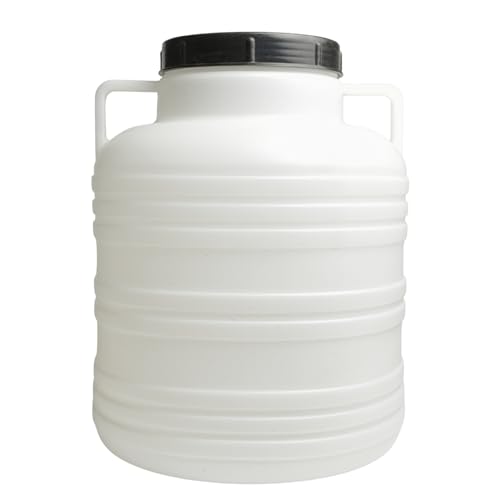
- Food-Safe Plastic Barrels with Screw-On Lid – Durable Storage Drum for Fermentation, Water, and Food, Lightweight with Hand...
- Water Butt Connector Kit, Water Butt Hose Pipe Connector Rain Barrel Linking Kit, 50cm Connection Hose 2 PCS 25mm Connectors and A...
- DLD New 29-Piece kitchenware,Cooking Gifts,Non-Stick Pans,Shovels, Spoons,Cutting Utensils,Wooden Handles,Heat-Resistant Silicone,...
Quality of Materials
Premium barrels are usually made from first-fill oak, which has not been used to age other spirits. This quality of wood allows for a better extraction of tannins and flavours, providing a richer, more complex character to the product. Budget barrels may use second-fill or even third-fill oak, which can lead to a diluted flavour profile. Therefore, while budget barrels may save money initially, they can compromise the final product's quality, potentially affecting sales and customer satisfaction.
Longevity and Maintenance
Another aspect to consider is the longevity of the barrels. Premium barrels can last for many years, sometimes even decades, if properly maintained. This longevity means that while the initial investment is higher, the cost per use decreases over time. Budget barrels, on the other hand, may require replacement sooner, leading to more frequent purchases and higher long-term costs. Additionally, premium barrels often require less maintenance due to their higher quality craftsmanship.
Flavour Impact
The type of barrel used can significantly influence the final flavour of your product. For instance, a premium barrel will impart distinct notes of vanilla, spice, or caramel depending on the wood and toasting process. In contrast, budget barrels may not offer the same depth of flavour, which could be apparent to discerning consumers. For producers aiming for a high-end market, investing in premium barrels may be crucial to achieving the desired flavour profile.
Environmental Considerations
In today’s eco-conscious world, the sourcing of materials is also important. Many premium barrel producers focus on sustainable practices, including responsible logging and reforestation efforts. This commitment to the environment can appeal to consumers who prioritise sustainability in their purchasing decisions. Budget barrels may not always adhere to these practices, potentially impacting your brand’s reputation and consumer appeal.
Practical Advice for Choosing Barrels
When deciding between budget and premium barrels, consider your target market and product goals. If you are creating a high-end spirit or wine, investing in premium barrels could be worthwhile for both quality and market positioning. Conversely, if you are producing a product aimed at a wider audience or lower price point, budget barrels might suffice. It can also be beneficial to experiment with a mix of both types to assess how they impact your final product.
Final Thoughts
Ultimately, the choice between budget and premium barrels comes down to your specific needs, goals, and financial situation. By weighing these costs and benefits carefully, producers can make informed decisions that align with their production objectives and market demands.