expert advice on choosing barrels for optimal aging results
Choosing the right barrels for aging can profoundly influence the flavour, aroma, and overall character of your beverage. Whether you are maturing whisky, wine, or craft beer, the decision on which barrel to use is crucial. In 2026, the industry continues to evolve and understanding the nuances of barrel selection is more important than ever. This article offers expert recommendations on how to choose barrels that will yield the best ageing results.
Understanding Barrel Types
Different types of barrels impart distinct characteristics to the liquid within. The most common types of barrels used for ageing include oak, cherry, and chestnut. Oak barrels, particularly American and French oak, are the most popular for whisky and wine. American oak tends to impart sweeter notes, while French oak offers a more subtle, spicier profile. When selecting a barrel, consider the type of beverage and the flavour profile you wish to achieve.
Barrel Size Matters
The size of the barrel plays a significant role in the ageing process. Standard sizes range from small barrels of 5 gallons to larger ones of 500 litres or more. Smaller barrels have a greater surface area to volume ratio, allowing for quicker extraction of flavours from the wood. However, they also may lead to over-oaking if not monitored closely. Conversely, larger barrels mature beverages more slowly, leading to a more subtle integration of flavours but potentially less complexity. Consider the desired ageing duration when selecting the barrel size.
People Also Look For:
- Water Butt Connector Kit, Water Butt Hose Pipe Connector Rain Barrel Linking Kit, 50cm Connection Hose 2 PCS 25mm Connectors and A...
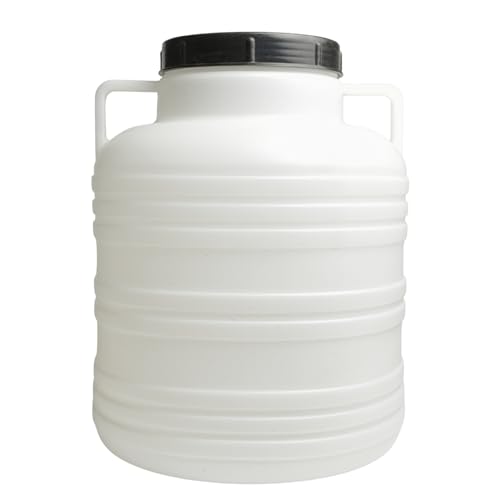
- Food-Safe Plastic Barrels with Screw-On Lid – Durable Storage Drum for Fermentation, Water, and Food, Lightweight with Hand...
- DLD New 29-Piece kitchenware,Cooking Gifts,Non-Stick Pans,Shovels, Spoons,Cutting Utensils,Wooden Handles,Heat-Resistant Silicone,...
- DLD New 29-Piece kitchenware,Cooking Gifts,Non-Stick Pans,Shovels, Spoons,Cutting Utensils,Wooden Handles,Heat-Resistant Silicone,...
New vs. Used Barrels
Deciding between new and used barrels can greatly impact the final product. New barrels provide intense wood flavours and tannins, which can create a bold character in the beverage. On the other hand, used barrels have already imparted much of their wood character, allowing for a more gentle maturation process. Many producers opt for a combination of both to achieve complexity. For example, starting in a new barrel and transferring to a used one can balance initial intensity with smoother integration.
Toasting and Charring Techniques
The way a barrel is prepared can significantly affect the ageing process. Toasting and charring are two techniques used to alter the wood's properties. Toasting involves heating the inside of the barrel to caramelise the sugars in the wood, creating a range of flavours from vanilla to spice. Charring, on the other hand, creates a charred layer that filters unwanted compounds and adds smoky notes. When choosing a barrel, consider the desired flavour profile and select a toasting or charring level that complements your beverage.
Wood Origin and Quality
The origin of the wood also plays a pivotal role in the character of the barrel. Different regions produce wood with varying qualities and flavours. For example, Quercus alba, or American oak, is known for its sweet vanilla notes, while Quercus robur, or European oak, tends to impart spicier, more complex flavours. Additionally, sourcing barrels from reputable cooperages ensures high-quality construction and treatment of the wood, which can enhance the final result.
Monitoring the Ageing Process
Once barrels are filled, the ageing process must be actively monitored. Factors such as temperature, humidity, and even the warehouse environment can influence how the beverage interacts with the wood. Regular sampling is vital to track flavour development and ensure the final product meets your expectations. Establishing a timeline for tasting and monitoring can help prevent over-oaking and ensure optimal results.