craft beer barrels versus wine barrels which is right for you
When it comes to aging beverages, the choice of barrel can have a significant impact on the final product. In 2026, enthusiasts and producers are constantly weighing the advantages of using craft beer barrels versus wine barrels. Each type offers unique characteristics that can enhance flavour, aroma and overall experience. This article will delve into the distinctions, benefits and practical considerations of both barrel types to help you decide which is right for you.
Understanding Craft Beer Barrels
Craft beer barrels are typically made from oak and are often sourced from distilleries or wineries. These barrels are used to impart distinct flavours into the beer. For instance, a bourbon barrel can add notes of vanilla and caramel, while a wine barrel might contribute fruity undertones. The level of char on the barrel also plays a crucial role; a heavier char can lend smoky flavours to the final product.
When selecting a craft beer barrel, consider the previous contents. Barrels that held different types of spirits or wines can lend diverse flavours, making each batch of beer unique. Additionally, the size of the barrel influences the ageing process; smaller barrels allow for more wood-to-liquid contact, which can accelerate flavour development.
Exploring Wine Barrels
Wine barrels, primarily made from French or American oak, are designed to enhance the complex flavours found in wine. They typically have a tighter grain than craft beer barrels, which can affect the oxygen transfer and ultimately the maturation process. When using a wine barrel for ageing, the goal is often to achieve a balanced integration of the wood character with the inherent qualities of the wine.
People Also Look For:
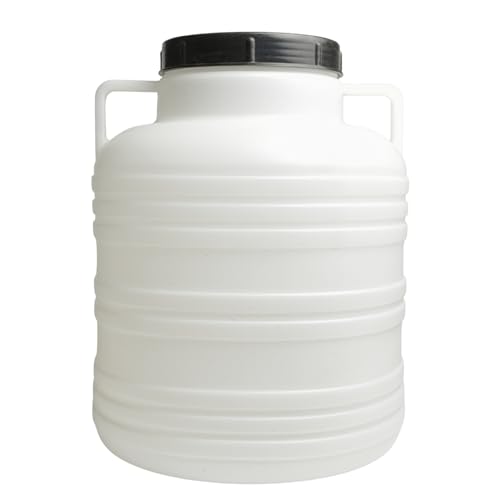
- Food-Safe Plastic Barrels with Screw-On Lid – Durable Storage Drum for Fermentation, Water, and Food, Lightweight with Hand...
- DLD New 29-Piece kitchenware,Cooking Gifts,Non-Stick Pans,Shovels, Spoons,Cutting Utensils,Wooden Handles,Heat-Resistant Silicone,...
- DLD New 29-Piece kitchenware,Cooking Gifts,Non-Stick Pans,Shovels, Spoons,Cutting Utensils,Wooden Handles,Heat-Resistant Silicone,...
- Water Butt Connector Kit, Water Butt Hose Pipe Connector Rain Barrel Linking Kit, 50cm Connection Hose 2 PCS 25mm Connectors and A...
Wine barrels are also beneficial for their ability to soften tannins and add depth to the beverage. For brewers looking to create a sour or barrel-aged beer, using a wine barrel can provide a unique profile, especially when the barrel has been previously used for red wine. The residual sugars and acids from the wine can interact with the beer in interesting ways.
Cost Considerations
Another practical factor to consider is the cost associated with each type of barrel. Generally, craft beer barrels are less expensive than wine barrels, especially if you are purchasing new barrels. However, used wine barrels can often be found at a reasonable price, and they may offer more complexity due to the earlier contents.
When budgeting, factor in not only the cost of the barrel but also the maintenance and storage requirements. Barrels require proper cleaning and care to prevent contamination and ensure longevity. If you are planning to age multiple batches, consider how each barrel will fit into your production schedule and storage space.
Flavour Profiles and Compatibility
The choice between craft beer barrels and wine barrels can also be influenced by the type of beverage you are creating. If you are focused on brewing rich stouts or porters, a bourbon or rum barrel may be more suitable. Alternatively, if you are experimenting with lighter ales or tart sours, a wine barrel might provide the right acidity and complexity.
Consider the overall flavour profile you wish to achieve. For example, a barrel that previously held red wine might complement a malty brown ale, while a barrel that held tequila could enhance a hoppy IPA with its zesty notes.
Experimentation and Innovation
The craft beverage scene encourages experimentation. Many brewers enjoy blending characteristics from both barrel types, using a craft beer barrel for primary ageing followed by a transfer to a wine barrel for secondary ageing. This technique can result in a layered product that showcases the best attributes of both barrels.
As you explore your options, don't hesitate to experiment and document your processes. This way, you can refine your methods and discover the perfect balance of flavours that resonate with your personal taste or the preferences of your audience.