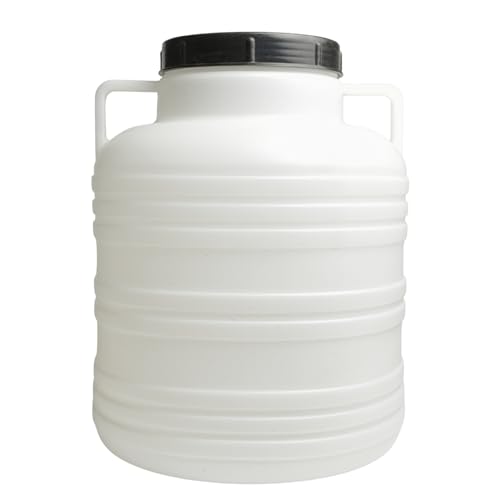
beginners guide to understanding barrel maintenance and care
Barrels have been used for centuries to store and age a variety of liquids, from wine to whisky. Proper maintenance and care of these vessels are crucial for ensuring that the contents taste their best. Whether you are a novice winemaker, a home brewer, or simply someone who appreciates fine beverages, understanding how to care for your barrels can enhance your experience. In this guide, we will explore essential tips for maintaining your barrels effectively.
Choosing the Right Barrel
The journey of barrel care begins with selecting the right type of barrel. Different materials, such as oak and stainless steel, offer unique benefits. Oak barrels impart flavours and aromas which can enhance the drink, while stainless steel barrels are more durable and less porous, making them ideal for long-term storage. Depending on what you intend to age, choose a barrel that aligns with your goals.
Cleaning Your Barrel
Regular cleaning is vital to prevent the growth of unwanted bacteria and the development of off-flavours. After each use, rinse your barrel with warm water. Avoid using soap as it can leave residues that affect the flavour of the contents. For deeper cleaning, use a mixture of water and potassium metabisulphite, which helps sanitise the interior without altering the barrel’s character.
People Also Look For:
- DLD New 29-Piece kitchenware,Cooking Gifts,Non-Stick Pans,Shovels, Spoons,Cutting Utensils,Wooden Handles,Heat-Resistant Silicone,...
- DLD New 29-Piece kitchenware,Cooking Gifts,Non-Stick Pans,Shovels, Spoons,Cutting Utensils,Wooden Handles,Heat-Resistant Silicone,...
- Water Butt Connector Kit, Water Butt Hose Pipe Connector Rain Barrel Linking Kit, 50cm Connection Hose 2 PCS 25mm Connectors and A...
- Food-Safe Plastic Barrels with Screw-On Lid – Durable Storage Drum for Fermentation, Water, and Food, Lightweight with Hand...
Maintaining Barrel Moisture
Barrels must be kept moist to preserve their structure. If they dry out, the wood can crack, leading to leaks. To prevent this, ensure that the barrel is always filled to at least 75% capacity. If you have an empty barrel, store it upright and periodically fill it with water for a few days to rehydrate the wood. Additionally, consider using barrel wax on the outside to seal in moisture.
Storage Conditions
The environment in which you store your barrels plays a crucial role in their condition. Store barrels in a cool, dark place away from direct sunlight and heat sources. Fluctuating temperatures can damage the wood and affect the ageing process. Ideally, keep the temperature between 10 to 15 degrees Celsius and maintain a humidity level of around 70%.
Regular Inspections
Routine checks can help identify any issues before they become significant problems. Inspect your barrels for signs of leaks, cracks, or mould. If you find a leak, use a barrel patch or consider consulting with a professional cooper for repairs. Mould can usually be removed with a simple scrub using a mixture of vinegar and water.
Reconditioning Your Barrel
Over time, barrels can lose their flavour imparting qualities. Reconditioning involves removing the charred layer of the wood to reveal fresh wood underneath. This can be done by sandpapering the inside of the barrel or using a recharing process. If you are ageing wines or spirits, this step can revitalise the barrel’s influence on your beverage.
Barrel Tasting
To monitor the progress of ageing, practice barrel tasting. This involves sampling the liquid at various stages to determine its flavour profile. Use a thief, which is a tool designed for drawing liquid from a barrel, to extract a small sample. This practice not only informs you about the development of the beverage but also helps you understand the influence of the barrel itself.
Long-Term Care and Use
If you plan to use the barrel long-term, consider rotating the contents periodically. This can help distribute flavours evenly and maintain the barrel's integrity. Additionally, if you are storing spirits, consider resting the barrel after every few uses to allow the wood to recover its flavour imparting characteristics.