best tips for selecting the perfect wine barrels for aging
Choosing the right wine barrels for aging is a critical decision for any winemaker. The type of barrel can profoundly affect the flavour, aroma, and overall character of the wine. With a myriad of options available, understanding the nuances of barrel selection is essential for achieving the desired profile in your wines. In this article, we will explore the best tips for selecting the perfect wine barrels for aging in 2026.
Understand the Types of Wood
The most common wood used for wine barrels is oak, which comes in various types such as American, French, and Eastern European. Each type of oak brings distinct characteristics to the wine. American oak tends to impart sweeter spices and vanilla notes, while French oak offers more subtle and refined flavours, including floral and nutty profiles. Understanding the flavour profile you wish to achieve will guide your choice of wood.
Consider Barrel Size
The size of the barrel can significantly influence the interaction between the wine and the wood. Standard sizes range from 225 litres for Bordeaux barrels to larger formats like the 500-litre puncheon. Smaller barrels have a higher surface area to volume ratio, which can lead to a more pronounced oak influence. Conversely, larger barrels result in a subtler oak character, allowing the fruit's natural flavours to shine through. Balance your decision with the style of wine you are producing.
People Also Look For:
- DLD New 29-Piece kitchenware,Cooking Gifts,Non-Stick Pans,Shovels, Spoons,Cutting Utensils,Wooden Handles,Heat-Resistant Silicone,...
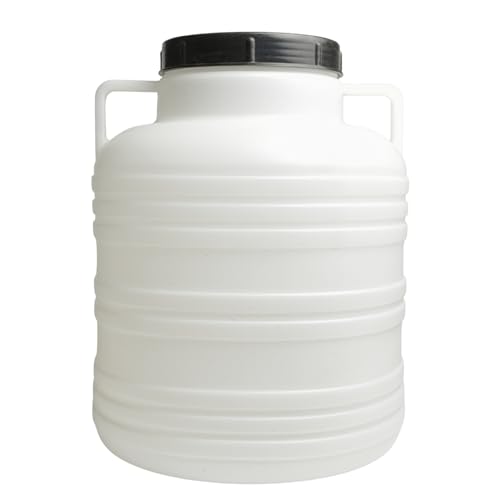
- Food-Safe Plastic Barrels with Screw-On Lid – Durable Storage Drum for Fermentation, Water, and Food, Lightweight with Hand...
- Water Butt Connector Kit, Water Butt Hose Pipe Connector Rain Barrel Linking Kit, 50cm Connection Hose 2 PCS 25mm Connectors and A...
- DLD New 29-Piece kitchenware,Cooking Gifts,Non-Stick Pans,Shovels, Spoons,Cutting Utensils,Wooden Handles,Heat-Resistant Silicone,...
Assess Barrel Toasting Levels
The toasting process caramelises the wood's sugars, affecting the flavours imparted to the wine. Barrels can be lightly, medium, or heavily toasted, each offering different flavour compounds. A light toast might enhance fruitiness, while a heavy toast adds robust flavours like chocolate and smoke. Experimenting with various toasting levels can help you discover what best complements your specific wine style.
Evaluate the Age of the Barrel
New barrels impart more intense flavours, while older barrels allow for gentler extraction of oak characteristics. A barrel that has been used for one or two vintages may deliver a more subtle oak influence, enabling the wine's intrinsic qualities to take the spotlight. When selecting barrels, consider your winemaking goals and whether you require new or used barrels for your ageing process.
Check for Quality and Construction
The craftsmanship of the barrel is vital to ensure the integrity of your wine. Look for barrels made from high-quality wood that has been properly seasoned. The construction should be tight and well-finished to minimize leaks. Poor quality barrels can introduce unwanted oxygen and spoil the wine, so investing in well-made barrels from reputable producers is essential.
Think About the Wine's Ageability
Different wines age differently, and certain barrels may be better suited for specific varietals. For example, robust reds like Cabernet Sauvignon benefit from new, heavily toasted barrels, while delicate whites such as Chardonnay may thrive in older barrels that are lightly toasted. Consider the type of wine and its ageing potential when selecting barrels to match the wine's evolution.
Experiment and Adapt
The art of winemaking is, in many ways, an experimental journey. Do not be afraid to try different combinations of barrel types, sizes, and toasting levels to find the best match for your wine. Keeping detailed records of your barrel selections and the resulting wines can help refine your choices for future vintages.